
Global Expansion and Operations for Media Companies: 9 Key Lessons for Sustainable Success
1. Overview
News plays an essential role in informing, inspiring, and empowering people globally. Despite the challenges posed by declining press freedom [1] and the struggle to maintain profitability, media organisations remain powerful agents of scrutiny and accountability [2]. Expanding into foreign markets offers growth potential, yet few brands have been able to successfully establish a global footprint.
While many global media companies have retreated from international markets due to financial difficulties (e.g., Vice, Buzzfeed, HuffPost), others continue to thrive. Notable examples include the British Broadcasting Corporation (BBC) in Nigeria, Cable News Network (CNN) in Indonesia, Yahoo! News in Japan, and The Guardian in Australia, demonstrating the potential for sustained international success. [3].
This article explores key lessons from international media expansion to help organisations navigate the complexities of global markets:
-
Expansion should be driven by clear objectives, with specific metrics for international audiences to ensure proper focus and resource allocation.
-
Cultural alignment and adaptation are more important than market size. It is essential to connect with local audiences and tastes rather than simply pursuing larger markets.t goes here
-
Local politics and regulation can present significant barriers, but where substantial market opportunities exist, these should be navigated without compromising brand integrity.
-
A strong brand identity does not guarantee market share over local incumbents. Media organisations must leverage and protect their unique brand attributes to stay competitive.on
-
The highly politicised, protected nature of media often leads to large, vested interests, with government influence being key. Mapping and understanding these dynamics can determine market success or failure.
-
An aggregated approach can efficiently target a global audience, but brands must adapt and offer a unique local value proposition to succeed in individual markets.
-
Owned local bureaus and hubs provide the perception of regional coverage. However, collaborating with local businesses through licensing can offer a cost-effective expansion strategy while maintaining quality.
-
Autonomous country teams promote agility and market adaptation, but central oversight is crucial to ensure brand consistency and scalability.
-
Build adaptable, scalable products from the outset to facilitate international expansion. This should be supported by dedicated international product resources focused on cross-functional coordination.
In an increasingly interconnected world, understanding these strategic considerations is crucial for media companies seeking to expand globally without sacrificing impact or profitability.
2. How Do You Define Success for Media Companies in Foreign Markets
Success in foreign markets, according to many of the media executives I interviewed for this paper, is often measured by the extent to which a news media company can establish a local presence and attract local audiences, revenue, or market share, leading to economic viability and financial reward.
However, the exception to this trend are state-backed media organisations such as the BBC, Al Jazeera, and China Central Television (CCTV), whose primary goal is to conduct diplomacy and represent their national interests. For these organisations, success in foreign markets is largely defined by reach and public perception, with less emphasis on commercial objectives.
Figure 1 illustrates the audience reach of selected international news brands, based on global visitors to their primary websites.
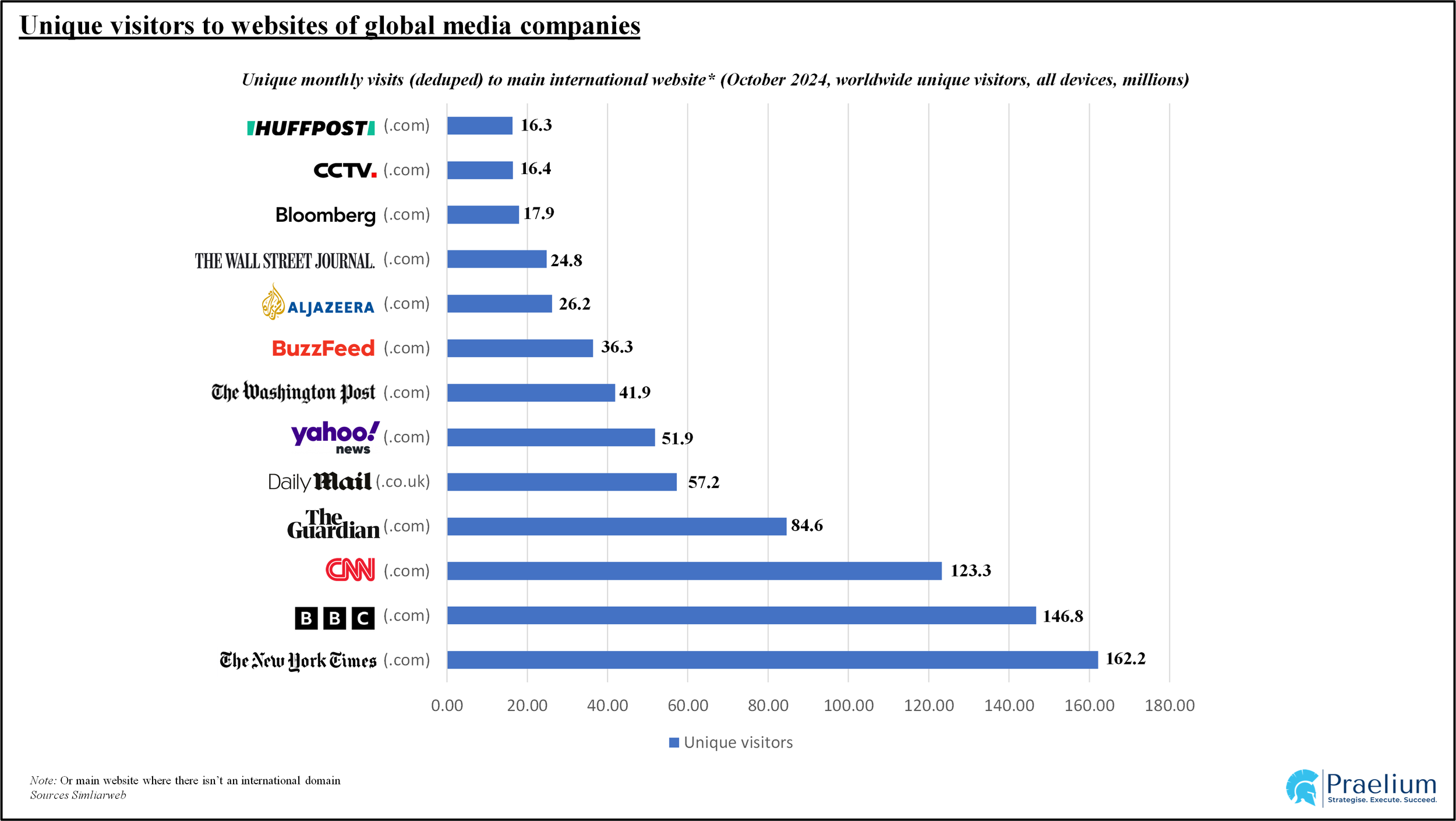
Figure 1: Numbers of unique visitors globally visiting main news websites [4]
3. International Expansion Strategy
Several factors must be considered both before and during international expansion. These factors can be understood through a range of theories and frameworks, which have been consolidated into a cohesive set of steps (see Figure 2). For the sake of brevity, this article will not delve into each component of every step individually but will provide examples to highlight key decisions at each stage.
The seven steps are:
i. Vision: Defining market expansion rationale (‘motivations’)
ii. Where to play: Understanding the country and market factors (‘market considerations’) – including:
a. location;
b. industry, and
c. non-market strategies
iii. How to win: Finding the right presence (‘adjustments’) – including:
a. organisational structure;
b. market presence; and
c. localisation strategies
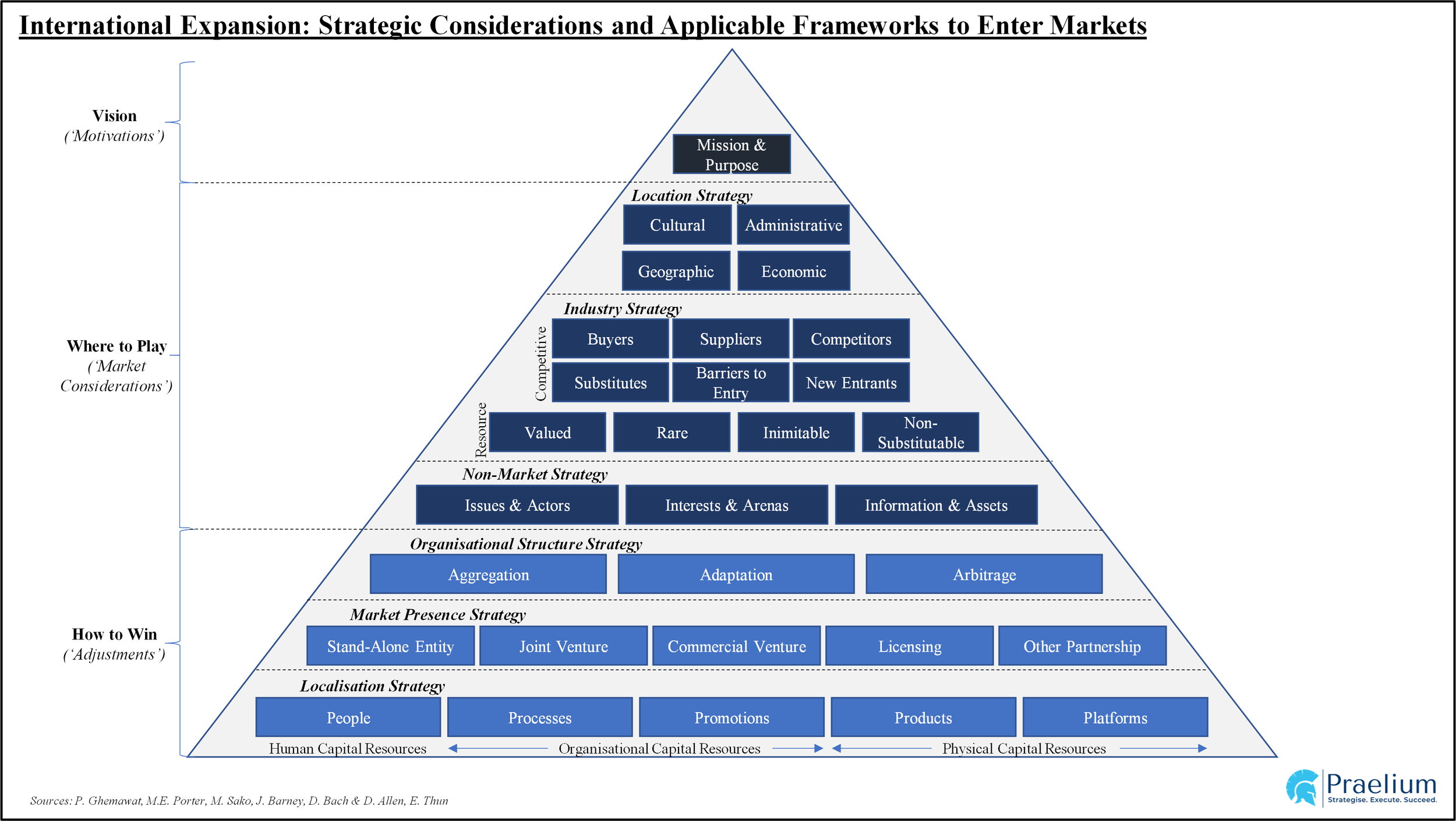
Figure 2: International Expansion Strategic Pyramid [5][6][7][8][9][10][11][12]
i) Vision: Defining Market Expansion Rationale (Motivations)
The motivation behind news media company expansion can be grouped into revenue growth, brand building, and influence.
Revenue focus: Most commercial news media expansion into new markets is primarily driven by the pursuit of revenue and investor interests [13]. Companies aim to acquire new audiences, readers, and subscribers to monetise. HuffPost (formerly The Huffington Post) initially had ambitious global aspirations, which later evolved into a focus on reaching 50 countries, with sustained profitable growth and value creation as core objectives [14].
Brand building: Al Jazeera’s establishment of Al Jazeera English in 2006 and subsequent expansion into markets such as the US, UK, and Asia was driven by a desire to project a positive image of Qatar, its funder, while building its own brand as a credible alternative to CNN in the Middle East [15]. The network also aimed to amplify voices from the global south.
Influence: While profit is a key driver for commercial media, influence and power are the primary goals for state-funded media companies [16]. Organisations such as the Australian Broadcasting Corporation (ABC)[1], CCTV and the BBC use their global reach as a tool for soft diplomacy, projecting national values and fostering goodwill for their home countries [17] [18] [19]. For the BBC, this is “to reflect the United Kingdom, its culture and values to the world” [20][2]. China’s CCTV and Xinhua news agency’s presence in Africa shows how media can be beneficial for accomplishing ‘soft power’ aspirations according to research showing that the “larger [the Chinese] media presence in a country…the more favourable public opinion toward China has grown” [21].
Learning 1 – Set Clear Goals: Expansion should be driven by clear objectives, with specific metrics for international audiences to ensure proper focus and resource allocation.
ii) Where to Play: Understanding the Country and Market Factors (Market Considerations)
Companies often erroneously expand purely based on largely economic only considerations of market size, GDP, and revenue. However, this oversimplification overlooks the non-financial factors that create underlying nuance to markets, such as: a) location; b) industry; and c) non-market challenges (stakeholders and influence).
a. Location strategy
The Cultural, Administrative, Geographic, and Economic (CAGE) approach [5] offers valuable insights into the key business considerations when selecting a location for international expansion.
Focusing on one of these dimensions - cultural distance - highlights the significance of language in the scalability of international content for local markets. For instance, the Guardian, currently operates five editions: United Kingdom (UK), United States (US, launched in 2011), Australia (launched in 2013), Europe (launched in 2023), and international [22] [23]. Its decision to enter these overseas markets was largely driven by a desire to target the largest English-speaking countries, reducing cultural distance and avoiding the need for translation. In contrast, the BBC and Bloomberg have invested heavily in translation, which some believe, has led to better local access and legitimacy despite increased costs. The BBC broadcasts in 42 languages and 27 language sites [24]. Moreover, advances in artificial intelligence-driven translation have made local language production more efficient and scalable. An example of this is Bloomberg’s use of Papercup to offer high-quality localised content for Spanish-speaking audiences in the US and Latin America [25]. Regardless of the method, these organisations have each developed distinct approaches to engaging local markets.
Learning 2 – Cultural Adaptation Over Market Size: Cultural alignment and adaptation are more important than market size. It is essential to connect with local audiences and tastes rather than simply pursuing larger markets.
b. Industry Strategy
Once the macro location considerations such as culture and economy have been factored, Porter’s Five Forces model [6] provides a useful framework for assessing industry-level challenges that could limit the success and entry of media companies.
One key force is the barriers to entry, which in the media sector often manifest through press freedom and media ownerships laws used to protect government and population interests [26] [27]. Organisations including the BBC, Financial Times (FT) and the New York Times (NYT) have faced significant challenges due to the "Great Firewall" (censorship) in China [28] and associated rules preventing online publication of news by foreign news organisations [29]. Yahoo! News’ international presence also suffered the perils of government protectionist policies in 2021, when it had to close its Indian news website due to legislation on digital media capping foreign direct investment to 26 percent [30] despite the site being among the top ten news brands for weekly usage [31].
Learning 3 – Understand Local Politics: Local politics and regulation can present significant barriers, but where substantial market opportunities exist, these should be navigated without compromising brand integrity.
A further assessment of the success of media companies in-markets (using a resource-based approach [8]), highlights the importance of offering a unique value proposition, rather than simply competing in markets with established products. For instance, 21% of the NYT’s growing digital-only subscriptions come from international subscribers [32] that comprise premium audiences in countries such as Australia willing to purchase subscriptions due to the perceived value of its strong global reporting [33].
Despite its global success, the NYT remains an elite niche brand. Such a strategy according to an executive, is not about a “mass market play, but targeting the subset of the population interested in specific news from an international brand”. Aside from the NYT, other successful global niche examples include The Economist and financial markets-focused international news organisations such as Bloomberg, the Wall Street Journal and FT.
Media brands can also leverage their reputation, unique content, and customer offerings in emerging markets. In "low trust societies" with limited technological capabilities (such as parts of Africa), foreign news companies may find opportunities to fill gaps, provided they have a sustainable model that can withstand lower advertising revenues and a slow uptake of subscriptions.
Learning 4 – Protect Brand Identity: A strong brand identity does not guarantee market share over local incumbents. Media organisations must leverage and protect their unique brand attributes to stay competitive.
c. Non-market strategy
A more detailed assessment of local markets requires a thorough understanding of the local stakeholder environment, including interrelationships and vested interests. A failure to fully comprehend the stakeholder landscape has previously endangered media companies. For instance, despite Rupert Murdoch's global business acumen, News Corp encountered significant challenges following its 1993 takeover of the Hong Kong-based STAR TV, when his comments reportedly led to the Chinese government banning private satellite dishes [34]. This incident taught News Corp a valuable lesson, and the company has since made a concerted effort to engage more closely with governments [26].
Learning 5 – Map Stakeholder Dynamics: The highly politicised, protected nature of media often leads to large, vested interests, with government influence being key. Mapping and understanding these dynamics can determine market success or failure.
iii) How to Win: Finding the Right Presence (Adjustments)
a. Organisational Structure Strategy
International media companies typically utilise ‘adaptation’ and ‘aggregation’ strategies to manage global operations.
Aggregation
The NYT utilises an aggregation strategy through the centralisation of products and capabilities. This approach involves standardised offerings for similar local markets, with a focus on subscription revenue rather than trying to be the market leader in any particular country [35]. This was evident in a managing editor of the NYT highlighting their focus on “the total global audience as our core audience”, while having similar platforms that were “focused on creating bridges to our core news product, rather than creating expensively-produced separate editions of the NYT” [33]. The NYT’s product in Australia illustrates its prioritisation of “borderless” themes and highlights that it is “not offering a local edition like what you’ll find with the Guardian or BuzzFeed in part because [their] readers want and expect a broader mix” [36]. Despite this, it has developed a sizeable presence in the UK with a bureau covering UK news, and a hub for Europe and global reporting feeding information to the UK and global audiences [37]. This aggregated strategy, coupled with regional-level coordination via a central hub, has proven successful, with two million international digital subscriptions in 2024 [38].
Adaptation
An adaptation strategy has been historically preferred by digital media outlets in the belief that digital-only operations could more easily scale and cheaply adapt to local markets. These businesses initially aimed to develop local audiences and voices, and assimilate with the local culture of their market [39] as evident in the comments of Paul Ackerman, the former Editor-In-Chief of Le Huffington Post, who noted “you have to make HuffPost your own country’s media…we take at most 10 percent of our content from international HuffPost editions. We talk about people and issues in France that probably nobody cares about in the rest of the world. When you work in a global news organisation, you really notice just how country-specific news is” [40]. Despite the local focus, a former editor-in-chief of HuffPost, highlighted the importance of global cohesion “to knit [the newsrooms] together, but without losing that local touch particular to each market” [41]. Moreover, there is a belief that scale provided the ability to create global newsrooms and laboratories [42], and outpace less digitally sophisticated local media by introducing new technology and unique propositions.
However, the digital media international ascendency began to stall due to declining advertising revenue [41], the rise of subscription models, more technologically capable legacy publishers and local brands, and changes to Facebook’s algorithm deprioritising news [43]. This shift led to a rethinking of how media companies used social media to scale their brands (see Figure 4 for how media websites rely on different sources of traffic, noting social used to be as high as 50% for some [44]). As a result, HuffPost began retracting from international markets in 2018, starting with its operations in India and Australia [45]. Sites such as HuffPost and Buzzfeed subsequently moved toward an aggregate model reducing international focus, and selling, shutting, or licencing editions.
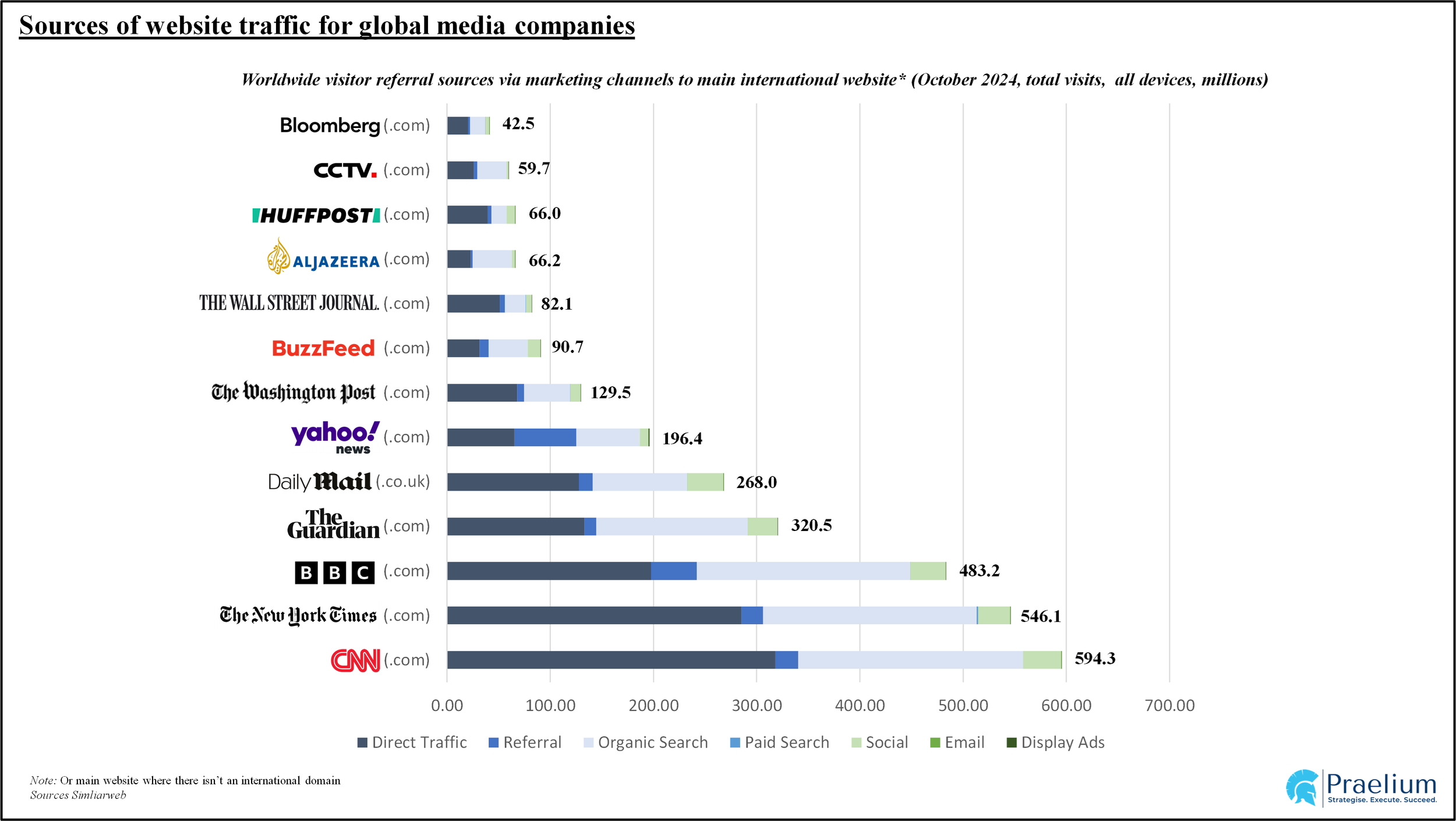
Figure 3: Sources of traffic for main international news site highlighting reliance on non-direct sources [4]
Unlike other digital publishers, the Guardian continues to grow and pursue an adaptation strategy with some shared resources. Despite some success in Australia, it has had challenges in achieving its thesis of winning the elite left market in the US [46] as it tries to compete with brands such as the NYT, who target similar customer segments and have a homefield advantage. Nonetheless, despite the challenges, the strategy of local adaptation remains vital in helping brands balance global ambitions with local relevance.
Learning 6 – Tailor Approach: An aggregated approach can efficiently target a global audience, but brands must adapt and offer a unique local value proposition to succeed in individual markets.
b. Market Presence strategy
A local presence may take the form of owned businesses, joint ventures, commercial arrangements, or licensing arrangements.
Owned local ventures have proven effective, particularly in broadcasting, where brands build hubs around common languages. Networks like MSNBC, BBC, and Bloomberg have successfully utilised this structure for a “follow the sun” approach, offering region-specific content and providing responsive resources for the global news cycle.
CNN’s journey since the launch of CNN International in 1985 [47] highlights the diverse international strategies broadcasters may adopt (see Figure 4). Its monopoly of early news coverage during the Gulf War made it “the world’s first truly global network television network” with all parts of the world able to receive a CNN International transmission [48]. Today, CNN International operates five regional feeds[3], Spanish and Arabic channels, 25 bureaus outside of the US, and production centres in Abu Dhabi, London, Atlanta, and Hong Kong servicing more than 347 million households worldwide. The organisation also has ten partnerships and joint ventures [49] in countries such as Indonesia (in partnership with Trans Media) [50], India (licenced to TV-18) [51], and elsewhere through licences that produce in formats and languages appropriate for the local market using a mix of CNN and locally-produced content. Much of its foreign presence occurs through localised partnerships, with many of its own operations serviced by US offices [49], a move which was accelerated in 2017 as it consolidated some of the business into its headquarters in Atlanta [52]. CNN’s model effectively manages the tension of international scale and cost by leveraging its brand and content via licencing and content production respectively rather than placing the burden solely on CNN to establish local teams.
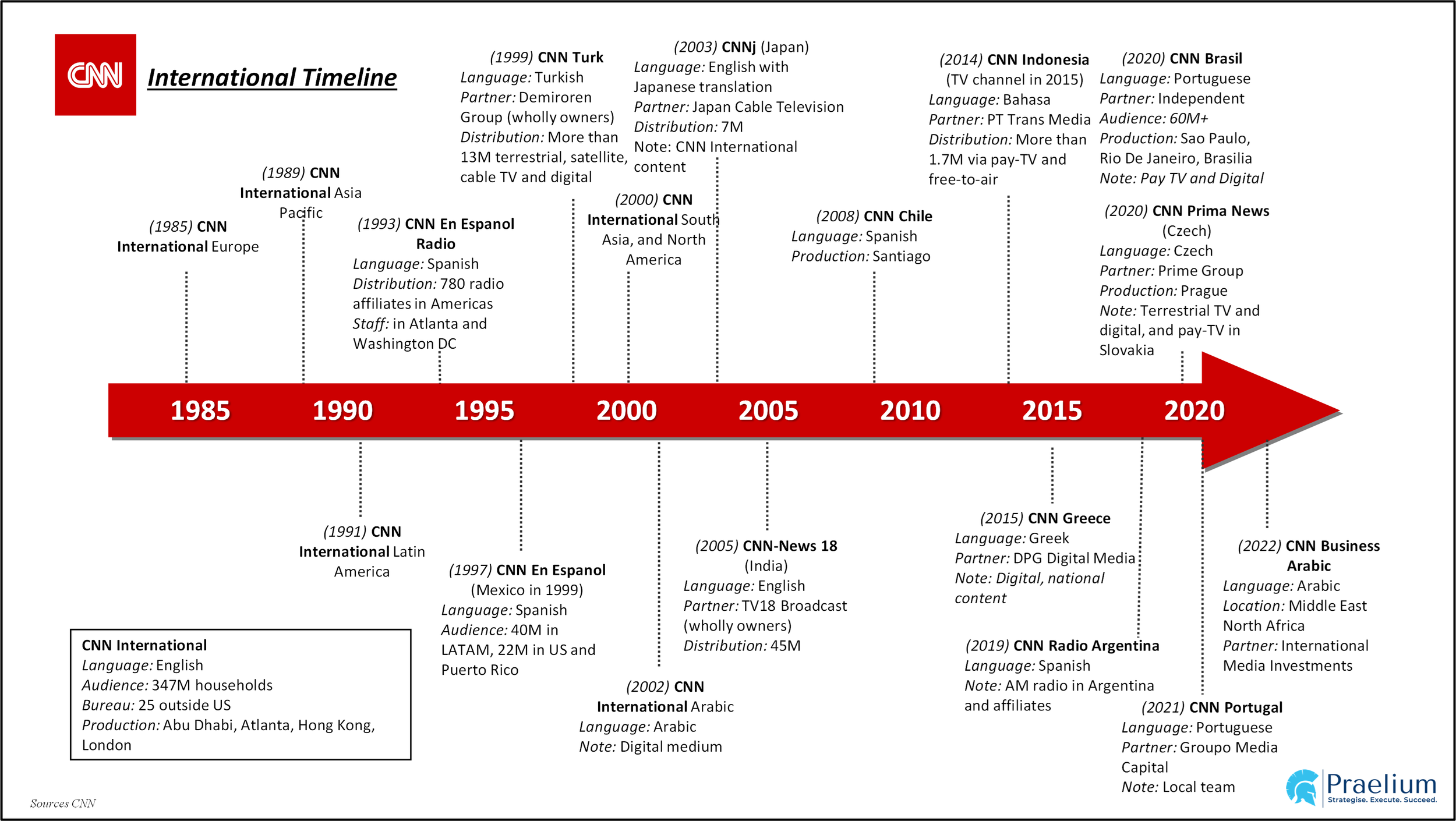
Figure 4: Timeline of CNN International’s global expansion [49]
In digital media, companies such as HuffPost (which once commanded over 200 million monthly unique visitors [53]), Buzzfeed and Yahoo! have scaled back or withdrawn from stand-alone local businesses and newsrooms, once either owned or operated in partnership. Instead, they have shifted to licensing arrangements similar to CNN, reducing fixed costs and capital outlay by leveraging external partners for international distribution.
However, partnerships carry risks. Local partners may seek to absorb knowledge, replicate models, or undermine foreign brands by either diluting their presence or tarnishing their reputation before they gain traction. To avoid such pitfalls, companies must conduct thorough due diligence, gather market intelligence, and establish strong partnership agreements to protect their interests.
Learning 7 – Leverage Local Partnerships: Owned local bureaus and hubs provide the perception of regional coverage. However, collaborating with local businesses through licensing can offer a cost-effective expansion strategy while maintaining quality.
c. Localisation Strategy
The degree to which news media companies localise is dependent on how they manage the tension from aggregation to adaptation. This transition requires some localisation in the value chain for: people, processes (structure), promotion (including sales), products, and platforms (distribution channels).
People
While some corporate tasks can be centralised, local connections are essential, particularly for sales teams. Advertisers are often local or have region-specific budgets, requiring relationships to be developed through local organisations or partners.
The physical presence of editorial staff is also critical but can vary. In some cases, editors can produce content remotely for local markets, as seen with companies like BuzzFeed, minimising challenges in sourcing skilled labour in certain regions. However, industry leaders agree that having local journalists producing content is vital for success in foreign markets. Local journalists help establish the brand, deepen coverage, build customer engagement, and foster trust. At the same time, global oversight ensures quality control, relevance, and brand consistency, while also leveraging economies of scale to add value to the global organisation.
The organisational structure in which local editions sit may also vary. HuffPost’s global expansion footprint at its peak had strong alignment towards an adaptation approach with a global team, and international editions largely established as independent business ventures. In contrast, many of those who own their international businesses, such as Bloomberg, Al Jazeera, and the BBC, have matrixed organisations with local teams reporting to global business units or regional teams, providing an option to leverage scale and maintain control while allowing for some local decision making.
Learning 8 – Balance Autonomy and Central Coordination: Autonomous country teams promote agility and market adaptation, but central oversight is crucial to ensure brand consistency and scalability.
Products
The product broadly encompasses the utility to interact with the audience. Some localisation is necessary, such as adapting content presentation for different languages (e.g., HuffPost’s Arabic edition, which allowed for right-to-left reading) or adjusting video formats to suit lower mobile bandwidth in regions like parts of Africa. However, localisation must be approached cautiously, as these adjustments can lead to unsustainable technological products, especially when internationalisation was not originally planned. This can result in products that are difficult to scale or overly reliant on manual processes, which can be unsustainable in the long term. The design of products and budgets can potentially also be hampered when home markets often take precedence for product teams or resources as the core source of revenue generation.
There are two solutions to resolve these challenges. First, international product teams focused on developing globally scalable platforms are better suited to companies using an aggregation strategy or those with more homogeneous offerings, such as the NYT. Centralised development of common platforms allows for more investment in shared products, content, and advertising, such as through Demand Side Platforms (DSPs) or Content Management Systems (CMSs). The second solution is to grant local autonomy, allowing local products to be developed by local partners, overseen by global teams within licensing or other arrangements, as seen with CNN [49] and Yahoo!. Yahoo! News in Japan, for example, has thrived by granting local autonomy to launch e-commerce products and leverage its social media platform, Line, creating a highly localised technology company with 80 million annual users of Yahoo! Japan [54].
Learning 9 – Design Flexible Products: Build adaptable, scalable products from the outset to facilitate international expansion. This should be supported by dedicated international product resources focused on cross-functional coordination.
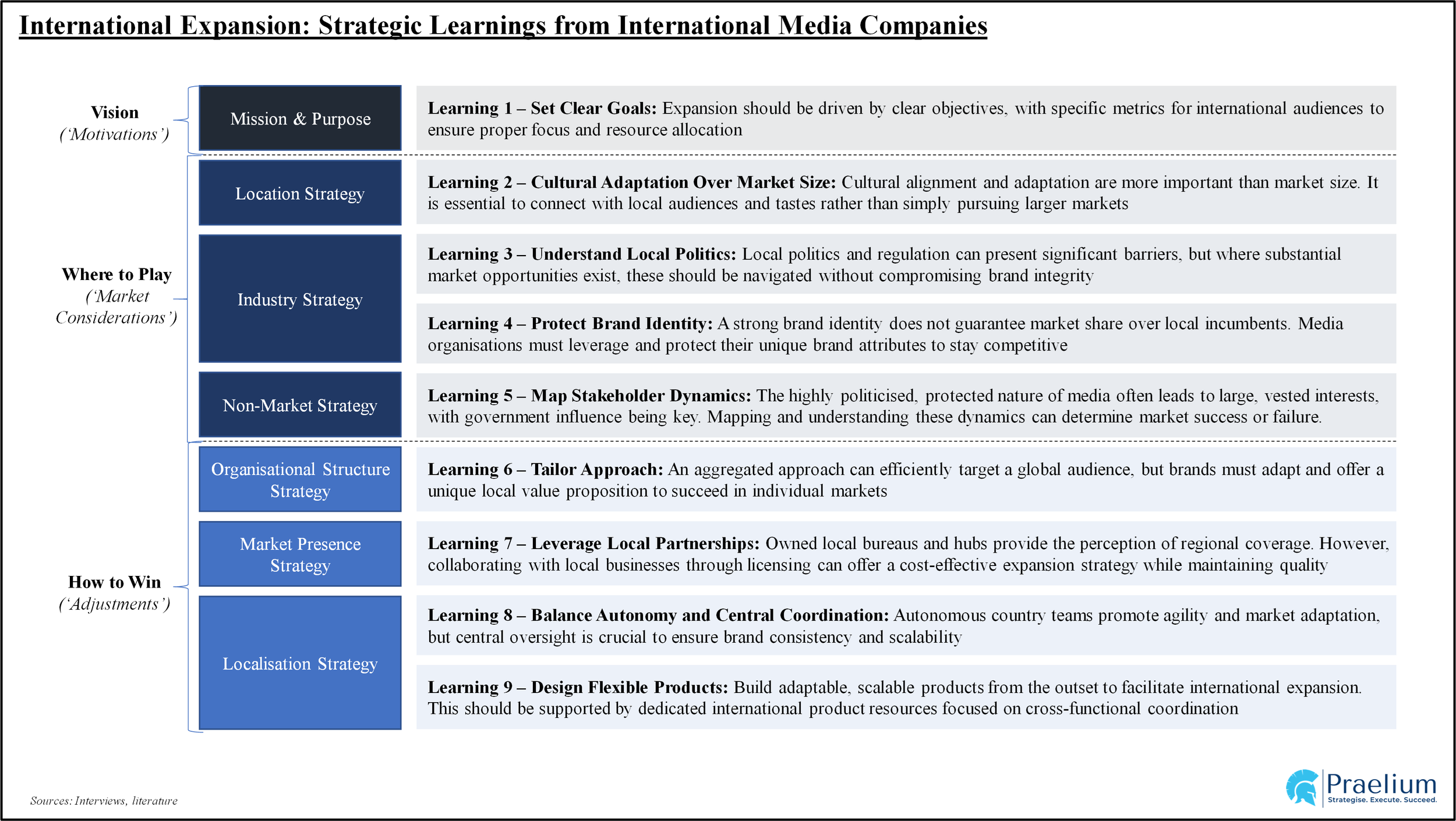
Figure 5: Lessons learned in media expansion in-line with the strategic steps
4. Recommendations
Taking these learnings in the context of the framework, digital and broadcast news media companies should consider the following to successfully enter and adjust for foreign markets:
1. Mission (vision): The driving force behind market entry should primarily be growth and revenue. While there may be exceptional cases where a brand or news organisation has a natural competitive advantage, media companies must focus on the right levers for commercial viability, particularly revenue and potential influence, to ensure long-term success.
2. Location strategy (where to play): Minimise the risk of entering countries with incongruent environments to the business model, particularly where political and legal barriers may make entry or growth challenging and unpredictable, or cultural context limits the portability and relevance of content.
3. Industry and non-market strategy (where to play): Companies should define the unique value proposition and market forces that will influence their ability to gain market share. Understanding non-market factors - such as the motivations of key stakeholders like politicians, regulators, and competitors - is crucial to avoiding roadblocks that could impede success.
4. Organisational structure (how to win): Adaptation is key to transnational success. The extent of adaptation will depend on the market, but it should go together with an aggregation strategy that leverages scalable capabilities (e.g., technology) for brand development and economies of scale, while delivering highly localised content where needed.
5. Market presence (how to win): There are several strategies for market entry. While local partnerships offer valuable connections and local knowledge, some organisations may find success by relying on their own resources and brand strength to establish a stand-alone presence. A hub approach or licensing strategy can offer a more cost-effective entry point, with the potential for further adaptation by leveraging local partners.
6. Localisation (how to win): Successful market penetration requires careful evaluation of the value chain to identify areas where localisation is necessary versus where centralised resources can be utilised. Developing local editorial, production, and sales teams is vital to building connections and understanding the market. While scalable international products are efficient, localised offerings tailored to regional nuances can enhance your market position and increase competitiveness.
Note: This article was first published in 2024
References
[1]
S. Repucci, “Media Freedom: A Downward Spiral,” 2019. [Online]. Available: https://freedomhouse.org/report/freedom-and-media/2019/media-freedom-downward-spiral. [Accessed 16 November 2022].
[2]
E. Barnett, “Why Freedom of the Press Matters,” 6 June 2021. [Online]. Available: https://australiainstitute.org.au/post/why-freedom-of-the-press-matters/. [Accessed 15 November 2022].
[3]
N. Newman, R. Fletcher, T. C. Robertson, A. R. Arguedas and R. K. Nielsen, “Reuters Institute: Digital News Report 2024,” Reuters Institute for the Study of Journalism, Oxford, 2024.
[4]
Similarweb, “Website analysis,” similarweb, November 2024. [Online]. Available: https://pro.similarweb.com/#/digitalsuite/websiteanalysis/home. [Accessed November 2024].
[5]
P. Ghemawat, “Distance Still Matters: The Hard Reality of Global Expansion,” Harvard Business Review, vol. 78, no. 8, pp. 137-147, 2001.
[6]
M. E. Porter, “The Five Competitive Forces That Shape Strategy,” Harvard Business Review, vol. 86, no. 1, pp. 78-93, 2008.
[7]
M. Sako, “Creating Competitive Advantage in Global Business,” in Diploma in Global Business [Lecture], Oxford, 2022a.
[8]
J. Barney, “Firm Resources and Sustained Competitive Advantage,” Journal of Management, vol. 17, no. 1, pp. 99-120, 1991.
[9]
D. Bach and D. B. Allen, “What Every CEO Needs to Know About Nonmarket Strategy,” MIT Sloan Management Review, vol. 51, no. 3, Spring 2010..
[10]
P. Ghemawat, “Managing Differences: The Central Challenge of Global Strategy,” Harvard Business Review, vol. 85, no. 3, pp. 58-68, March 2007a..
[11]
P. Ghemawat, “Global Value Creation: The Adding Value Scorecard,” in Redefining Global Strategy: Crossing Borders in a World Where Differences Still Matter, HBP Reprint # 2620BC ed., , Cambridge, MA, Harvard Business School Press, 2007b, pp. 65-104.
[12]
E. Thun, The Logic of Place [Lecture], Oxford: Said Business School, 2022.
[13]
M. Hoyler and A. Watson, “Global Media Cities in Transnational Media Networks,” Tijdschrift voor economische en sociale geografie, vol. 104, no. 1, pp. 90-108, 2013.
[14]
K. Joshi, “New HuffPost Australia CEO JJ Eastwood’s high aspirations,” mediaweek, 9 February 2017. [Online]. Available: https://www.mediaweek.com.au/huffpost-australia-jj-eastwood/. [Accessed November 2024].
[15]
D. K. Thussu, News as Entertainment: The Rise of Global Infotainment, United Kingdom: SAGE Publications, 2008.
[16]
A. Smith, The Age of Behemoths: The Globalization of Mass Media Firms, New York: Priority Press (Twentieth Century Fund Paper), 1991, p. 59.
[17]
Australian Broadcasting Corporation (ABC), “Five Year Plan 2020-2025,” Ultimo, 2020.
[18]
China Central Television, “Brief Introduction to China Central Television (CCTV),” 7 December 2009. [Online]. Available: https://www.cctv.com/english/special/news/20091207/103449_1.shtml. [Accessed 6 January 2023].
[19]
British Broadcasting Corporation (BBC), “BBC Group Annual Report and Accounts 2021/22,” BBC, London, 2022.
[20]
Secretary of State for Culture, Media and Sport (UK), “Broadcasting: Copy of Royal Charter for the continuance of the British,” Crown, London, 2016.
[21]
C. S. Bailard, “China in Africa: An Analysis of the Effect of Chinese Media Expansion on African Public Opinion,” The International Journal of Press/Politics, vol. 21, no. 4, pp. 446-471, 2016.
[22]
The Guardian, “Tracing Our Past: Six Storylines That Tell the History of the Guardian,” 5 May 2021. [Online]. Available: https://www.theguardian.com/media/ng-interactive/2021/may/05/guardian-200-timelines. [Accessed 20 November 2022].
[23]
The Guardian, “Guardian Launches Digital Europe Edition,” 20 September 2023. [Online]. Available: https://www.theguardian.com/media/2023/sep/20/guardian-launches-digital-europe-edition. [Accessed November 2024].
[24]
British Broadcasting Corporation (BBC) Studios, “BBC News: World Service: World Class Content from the World's Largest International News Broadcaster in Local Languages,” 2022. [Online]. Available: https://bbcnews.bbcstudios.com/platforms/bbc-world-service/. [Accessed 4 December 2022].
[25]
W. Turvill, “Bloomberg Media Uses London-Based AI Firm to Translate News Videos Into Spanish,” 2022. [Online]. Available: https://pressgazette.co.uk/bloomberg-media-papercup-translation-spanish/. [Accessed 16 November 2022].
[26]
U. Rohn, “Strategies in Foreign Television Markets,” in Media Companies and Their Strategies in Foreign TV Markets, 1st ed., Cologne, Institute of Broadcasting Economics, 2004, pp. 39-55.
[27]
R. A. Gershon, “The Transnational Media Corporation: Environmental Scanning and Strategy Formulation,” Journal of Media Economics, vol. 13, no. 2, pp. 81-101, 2000.
[28]
H. H. Young, “Great Firewall of China Reinforced as Foreign Media Banned from Publishing Online,” 2016. [Online]. Available: https://theconversation.com/great-firewall-of-china-reinforced-as-foreign-media-banned-from-publishing-online-55091. [Accessed 20 November 2022].
[29]
H. Timmons and Z. Huang, “Beijing is banning all foreign media from publishing online in China,” 2016. [Online]. Available: https://qz.com/620076/beijing-is-banning-all-foreign-media-from-publishing-online-in-china. [Accessed 20 November 2022].
[30]
The Press Trust of India, “Latest FDI Rules Force Yahoo to Shut Down News Websites in India,” Business Standard, New Delhi, 2021.
[31]
N. Newman, R. Fletcher, A. Schulz, A. Simge, C. T. Robertson and R. K. Nielsen, “Reuters Institute Digital News Report 2021: 10th Edition,” Reuters Institute for Study of Journalism, Oxford, 2021.
[32]
The New York Times Company, “The New York Times Company: 2023 Annual Report,” New York, 2024.
[33]
D. Ponsford, “The Americans are Coming! New York Times Sets Out Plan for Expansion Into the UK and Globally,” 2016. [Online]. Available: https://pressgazette.co.uk/the-americans-are-coming-new-york-times-sets-out-plan-for-expansion-into-the-uk-and-globally/. [Accessed 16 November 2022].
[34]
J. McGregor, “How Rupert Murdoch Met His Match in China; Touting Power of the Press Upset Powers in the Party; Dictator-to-Dictator Talks,” Wall Street Journal, Europe, 2005.
[35]
M. Sako, How to Go Global: Diploma in Global Business [Lecture], Oxford: Said Business School, 2022b.
[36]
D. Cave, “The New York Times in Australia? Yes. Here’s Why,” 23 November 2018. [Online]. Available: https://www.nytimes.com/2017/09/20/world/australia/faq-nytaustralia-bureau.html. [Accessed 4 December 2022].
[37]
I. Burrell, “The Newsroom that Never Sleeps: Inside The New York Times' Control Centre in London,” 6 February 2020. [Online]. Available: https://www.thedrum.com/opinion/2020/02/06/the-newsroom-never-sleeps-inside-the-new-york-times-control-centre-london. [Accessed 2 December 2022].
[38]
The New York Times, “The New York Times Passes 2m International Digital Subscribers,” 4 June 2024. [Online]. Available: https://www.nytco.com/press/the-new-york-times-passes-2m-international-digital-subscribers/. [Accessed November 2024].
[39]
C. Pagel, “How We Built HuffPost Into a Global Media Company By Thinking Local,” 26 May 2016. [Online]. Available: https://www.huffpost.com/entry/how-we-built-huffpost-int_b_10127438. [Accessed 5 December 2022].
[40]
World Association of News Publishers Staff, “Le Huffington Post: Think Local to Build a Global News Product,” 27 September 2016. [Online]. Available: https://wan-ifra.org/2016/09/le-huffington-post-think-local-to-build-a-global-news-product/. [Accessed 5 December 2022].
[41]
J. Davies, “How HuffPost is Knitting Together its Far-Flung International Newsrooms,” 17 May 2017. [Online]. Available: https://digiday.com/media/huffpost-knitting-together-far-flung-international-newsrooms/. [Accessed 30 November 2022].
[42]
J. Davies, “Arianna Huffington Outlines the Next Chapter of The Huffington Post’s Overseas Expansion,” 24 November 2015. [Online]. Available: https://digiday.com/media/arianna-huffington-huffington-post-international/. [Accessed 30 November 2020].
[43]
J. Grygiel, “Facebook Algorithm Changes Suppressed Journalism and Meddled with Democracy,” 24 July 2019. [Online]. Available: https://theconversation.com/facebook-algorithm-changes-suppressed-journalism-and-meddled-with-democracy-119446. [Accessed 30 November 2022].
[44]
K. Chaykowski, “Facebook's Latest Algorithm Change: Here Are The News Sites That Stand To Lose The Most,” Forbes, 6 March 2018. [Online]. Available: https://www.forbes.com/sites/kathleenchaykowski/2018/03/06/facebooks-latest-algorithm-change-here-are-the-news-sites-that-stand-to-lose-the-most/. [Accessed November 2024].
[45]
E. Watkins, “After Failing to Find its Feet, HuffPost Australia Closes: HuffPost Australia Staff Have Cleared Out Their Desks after a Joint Venture with Fairfax Ended, the Latest in a String of International Changes,” 1 December 2017. [Online]. Available: https://www.crikey.com.au/2017/12/01/the-huffposts-international-strategy-didnt-have-room-for-australian-edition/. [Accessed 30 November 2022].
[46]
Statista, “Leading Global English-Language News Websites in the United States in May 2022, by Monthly Visits,” 2022. [Online]. Available: https://www.statista.com/statistics/381569/leading-news-and-media-sites-usa-by-share-of-visits/. [Accessed 30 November 2022].
[47]
C. Veits, Conflict Coverage Promotion: High Quality or High Concept? A Multimodal Analysis of Claims-Making in Conflict Coverage Promotional Spots of Al Jazeera English and CNN International, 1st ed., Hamburg: Diplomica Verlag, 2014, pp. 11-13.
[48]
L. E. Gutstadt, “Taking the Pulse of the CNN Audience: A Case Study of The Gulf War,” Political Communication, vol. 10, no. 4, pp. 389-409, 1993.
[49]
CNN, “CNN Worldwide Fact Sheet,” November 2024. [Online]. Available: https://cnnpressroom.blogs.cnn.com/cnn-fact-sheet/. [Accessed November 2024].
[50]
S. Watanabe, “CNN Launches Indonesian Channel,” 7 September 2015. [Online]. Available: https://asia.nikkei.com/Business/CNN-launches-Indonesian-channel. [Accessed 26 November 2022].
[51]
Business Standard Web Team, “TV18 & CNN Renew Partnership, Plan Refreshed CNN IBN,” 1 December 2015. [Online]. Available: https://www.business-standard.com/article/companies/tv18-cnn-renew-partnership-plan-refreshed-cnn-ibn-115120100297_1.html. [Accessed 26 November 2022].
[52]
J. Saunders, “CNN Moving Some London-Based Jobs to Atlanta,” 29 May 2019. [Online]. Available: https://www.bizjournals.com/atlanta/news/2019/05/29/cnn-moving-some-london-based-jobs-to-atlanta.html. [Accessed 26 November 2022].
[53]
D. Segal, “Arianna Huffington’s Improbable, Insatiable Content Machine,” The New York Times, 30 June 2015. [Online]. Available: https://www.nytimes.com/2015/07/05/magazine/arianna-huffingtons-improbable-insatiable-content-machine.html. [Accessed November 2024].
[54]
Y. Masuda, “Yahoo Japan, Line Integrate Businesses to be Major ‘3rd Force’,” 1 March 2021. [Online]. Available: https://www.asahi.com/ajw/articles/14230871. [Accessed 2 December 2022].
[55]
G. Pathania, When Global Companies Localize": Adaptive Strategies of Media Companies Entering India, ProQuest Dissertations Publishing (Preprint), 1998.
[56]
Australian Broadcasting Corporation (ABC) Australia, “About Us,” 2022. [Online]. Available: http://www.abcaustralia.net.au/about. [Accessed 31 December 2022].
[1] According to section 6(1)(b)(i) of the Australian Broadcast Corporation Act (No 6) 1983 (Commonwealth) the ABC is required to transmit programs that will, among other things, “encourage awareness of Australia and an international understanding of Australian attitudes on world affairs”. The result has been some Asia-Pacific presence and content through ABC Australia (ABC’s international presence) and ABC International Development [56]
[2] Articulated in section 6(5) of the Royal Charter [20]
[3] In Europe/Middle East/Africa, Asia Pacific, South Asia, Latin America, and North America [49]